Description
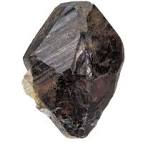
Monazite ore, a rare earth phosphate mineral rich in cerium, lanthanum, neodymium, and thorium, is increasingly recognized as a strategic resource in the global shift toward clean energy and advanced manufacturing. As demand rises for rare earth elements (REEs) used in electric vehicles, wind turbines, electronics, and defense technologies, countries with significant untapped deposits such as Nigeria are gaining attention as potential supply hubs.
Globally, the monazite market is on a strong growth trajectory. Valued at approximately $1.8 billion in 2025, it is projected to reach $3.4 billion by 2034, growing at a compound annual growth rate (CAGR) of seven point three percent (7.3%). This expansion is driven by the accelerating clean energy transition, ongoing efforts to diversify rare earth supply chains, and increasing demand for miniaturized electronic devices.
Monazite sand remains the dominant product segment, accounting for fifty-two point percent (52.4%) of the market in 2025 due to its relative ease of extraction and processing. Regionally, Asia-Pacific leads the market with a forty-seven point six percent (47.6%) revenue share, supported by strong industrial demand and well-established processing infrastructure.
Nigeria holds significant promise in this growing market due to its substantial monazite reserves, estimated at approximately six million (6,000,000) tons. These deposits are distributed across several states, including Plateau State, Cross River State, Kaduna State, Kebbi State, and Niger State. In many of these locations, monazite occurs in alluvial and placer deposits, often alongside other heavy minerals such as ilmenite, rutile, and zircon.
Despite the scale of these resources, they remain largely underdeveloped due to limited exploration, inadequate infrastructure, and insufficient investment in processing technologies.
The mining of monazite in Nigeria is currently dominated by artisanal and small-scale operations.
These activities typically involve the manual extraction of heavy mineral sands from riverbeds and surface deposits, followed by rudimentary separation processes. While such methods provide livelihoods for local communities, they are often inefficient and environmentally unsustainable.
In contrast, large-scale commercial mining operations would require mechanized approaches such as dredging, hydraulic mining, and dry mining using heavy equipment.
These methods not only improve recovery rates but also enable consistent production volumes necessary for export markets.
Beneficiation represents the most critical stage in the monazite value chain, as it significantly enhances the economic value of the ore. Raw monazite ore commands relatively modest prices compared to refined rare earth oxides, which can be worth several times more. The beneficiation process involves multiple stages, beginning with gravity separation to concentrate heavy minerals, followed by magnetic and electrostatic techniques to isolate monazite.
Subsequent chemical processing, often involving acid or alkaline digestion, is used to extract rare earth elements. Advanced refining techniques such as solvent extraction and ion exchange are then applied to separate individual REEs. In Nigeria, however, the lack of domestic beneficiation facilities means that most monazite is exported in raw or semi-processed form, resulting in significant value loss and missed economic opportunities.
The export of monazite from Nigeria is regulated by several government agencies responsible for overseeing mining operations, export activities, and environmental compliance. Key among these are the Federal Ministry of Solid Minerals Development, the Mining Cadastre Office, the Nigerian Export Promotion Council, and the Nigeria Customs Service.
Exporters are required to obtain appropriate mining licenses, secure export permits, and comply with environmental regulations. In recent years, the Nigerian government has increasingly emphasized local value addition, signaling a policy shift toward encouraging in-country processing of minerals before export.
Despite its potential, Nigeria’s monazite industry faces several structural challenges. The absence of processing infrastructure remains a major bottleneck, preventing the country from fully participating in the high-value segments of the rare earth value chain.
Additionally, monazite contains small amounts of radioactive elements such as thorium and uranium, which necessitate stringent handling and environmental safeguards. Regulatory frameworks addressing these concerns are still evolving, creating uncertainty for investors.
The dominance of informal mining activities further complicates the sector, leading to low recovery rates, environmental degradation, and revenue leakages. Limited technical expertise and inadequate infrastructure, particularly in power supply and transportation, also constrain large-scale development.
Nevertheless, the prospects for monazite mining, beneficiation, and export from Nigeria are highly encouraging. The global push for renewable energy and electric mobility ensures sustained demand for rare earth elements, positioning monazite as a critical resource for the future. At the same time, geopolitical dynamics are prompting major economies to diversify their supply sources, creating opportunities for new entrants such as Nigeria.
With the right investments and policy support, Nigeria could attract foreign direct investment into its mining and processing sectors, enabling the development of integrated value chains.
Furthermore, regional initiatives such as the African Continental Free Trade Area (AfCFTA) provide a platform for intra-African collaboration in mineral processing and trade. By leveraging these opportunities, Nigeria can move beyond raw material exports and develop a competitive advantage in rare earth production. Government reforms aimed at formalizing artisanal mining, improving regulatory oversight, and incentivizing local processing are also expected to enhance sector performance over time.
Monazite ore represents a strategic opportunity for Nigeria to diversify its economy and participate in the rapidly expanding global rare earth market. With substantial reserves estimated at around 6 million tons and favorable market dynamics, the country is well-positioned to become a key supplier of rare earth elements.
However, realizing this potential will require a deliberate focus on beneficiation, infrastructure development, and regulatory strengthening. By prioritizing value addition and fostering strategic partnerships, Nigeria can transform its monazite resources into a major driver of industrial growth and export earnings in the years ahead.
This report seeks to examine the financial viability or otherwise of establishing and operating a monazite ore mining, processing and export business in Nigeria.


Reviews
There are no reviews yet.